
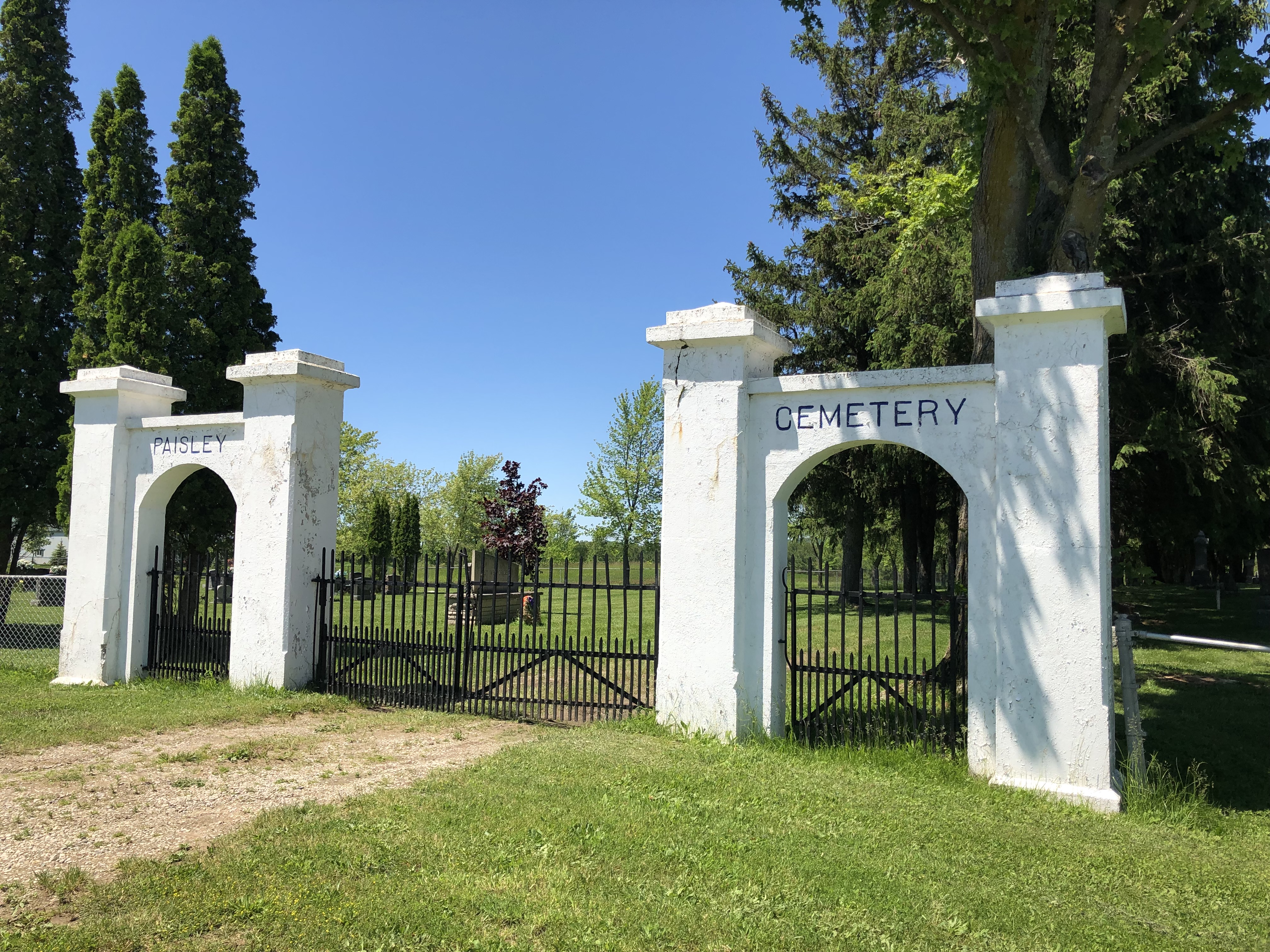
There are many family plots in the cemetery and have been in the family for generations. The greater the generational gap between the original “interment rights holders” and those wishing to be buried in the plot, the more complicated obtaining proper permission can become. It is not unusual to require ten to twenty signatures in order to permit a burial.
Who has the legal authority to make the decision of who can be buried in a family grave?
Here is a partial list of who may act as the legal representative:
- Estate trustee, also called an executor or executrix, who is named in the will (or an administrator appointed by the court)
- Spouse
- Adult children (18 and over).
Ontario has statutes and common law to determine who may act as the legal representative(s) when a person passes away without a valid will. The ultimate decision maker will be specific to the circumstances of each case but will generally default to a court-appointed Estate Administrator or the deceased’s next of kin.
Because every estate is different, the person with final legal authority will depend on the facts of each case. Cemetery Staff will require supporting documentation – such as a will, certificate of appointment, or other proof of authority before permitting an interment or transfer of interment rights. The Municipality does not determine who holds the interment rights.
You can see our Cemetery By-Law for more information.