Consider Water Efficient Plants, Trees and Vegetables
Native plants and trees are low maintenance and naturally drought-tolerant. Vegetables such as pole beans, swiss chard and rhubarb, and herbs such as rosemary, thyme and sage, also require minimal watering. When watering the garden, water deeply and less frequently. This minimizes losses to evaporation and improves the root system of plants. Consider adding mulch to the garden bed to significantly reduce the watering requirements of your plants.
Replace Hard Surfaces
Replace hard surfaces such as driveways, walkways and patios with porous paving, a garden or grass. This will help absorb and naturally filter rainwater and melted snow.
Maintain a Water Efficient Lawn
Healthy lawns only need 2.5 cm of water once a week, including rainfall. You can purchase a rain gauge, from a home hardware or building supply store, to keep track. Water in the morning to eliminate evaporation, and consider aerating in the spring or fall to help water reach the roots.
Ensure Landscaping Slopes Away From the Foundation
Ensure the grading around your home slopes away from the foundation wall to help drain water away from your home (without negatively affecting neighbouring properties).
Practice Responsible Car Washing
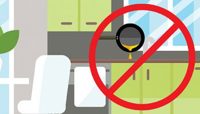
Take your car to a commercial car wash; find a location where the wastewater won’t flow into a catch basin. Or, use a bucket and small amount of water that can be emptied into a toilet or laundry sink.
Keep Chemicals Out of Drains & Sewers
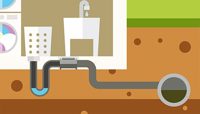
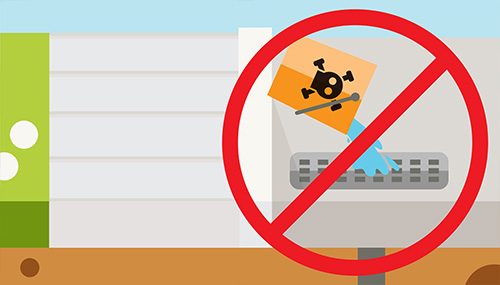
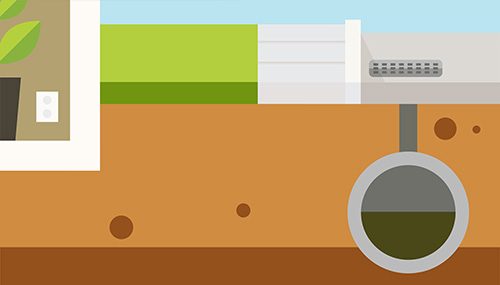
Catch basins (the square grates on the road) drain straight to the lake, so it is important to keep chemicals and household waste out. Clean up vehicle spills or leaks to prevent toxins from entering the sewer. If you suspect a spill or illegal dumping, please contact the municipal office and report it to the water department.
Ensure Fire Hydrants are Clear
Fire hydrants must have at least 1.2 meters of space around them at all times. If you have a hydrant close to your property, please keep it clear of snow, trees and other vegetation.
Shut the Outdoor Water Supply Before the First Frost
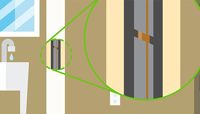
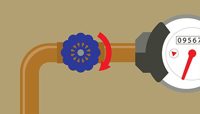
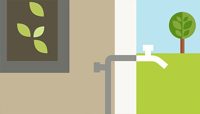
Outdoor pipes are the first to freeze. Before the first frost, unscrew the hose and close the valve that provides water to your outdoor water supply. This valve is located inside your home on the pipe that goes through the foundation and connects to your outdoor faucet.
Unplug Catchbasins
If it is safe to do so, clear roadside leaves and other debris from catchbasins to help water enter the storm sewer. Construction waste should also be kept out to prevent sewer back-ups and harm to local waterways.
Clear Eavestroughs & Downspouts
Clear eavestroughs and downspouts of leaves and other debris that prevent proper drainage.
Disconnect Your Downspouts
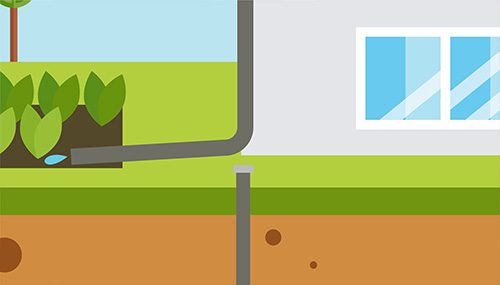
You are legally required to disconnect your downspouts from the municipal sewer system. Disconnect onto a permeable surface such as a garden or grass, 1.8 meters (6 feet) from your foundation.
Run a Water-Efficient Pool
Use a pool cover to conserve heat. The cover will also reduce the amount of water (and chemicals like chlorine) lost through evaporation.
Properly Dispose of Water from Pools, Hot Tubs & Spas
Since there are chemicals used in pools, hot tubs and spas, it is important you dispose of water properly at the end the of season, or before maintenance:
- Water from chlorinated pools must be dechlorinated before being emptied into the storm sewer (i.e. through a catch basin in front of your property).
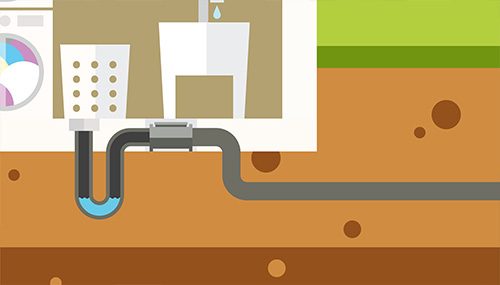
- Water from salt water pools must be released into a sanitary system through a connection on your property (i.e. bathtub, laundry sink).
- Water from both chlorine and salt water pools can also be discharged onto grass, but only if it can be properly absorbed into the ground without flowing onto a neighbour’s property.